

Quick answer
Stay on Bonaire's west coast between Kralendijk and the northern resort strip for direct snorkeling access to Bonaire National Marine Park. Properties south of town and along the Kaya Gob. N. Debrot corridor offer house reefs, marked dive sites within walking distance, and calm leeward conditions year-round. The closest accommodations to premium snorkel zones sit between dive sites 18 and 40, whereshore entry requires only fins and a short swim.
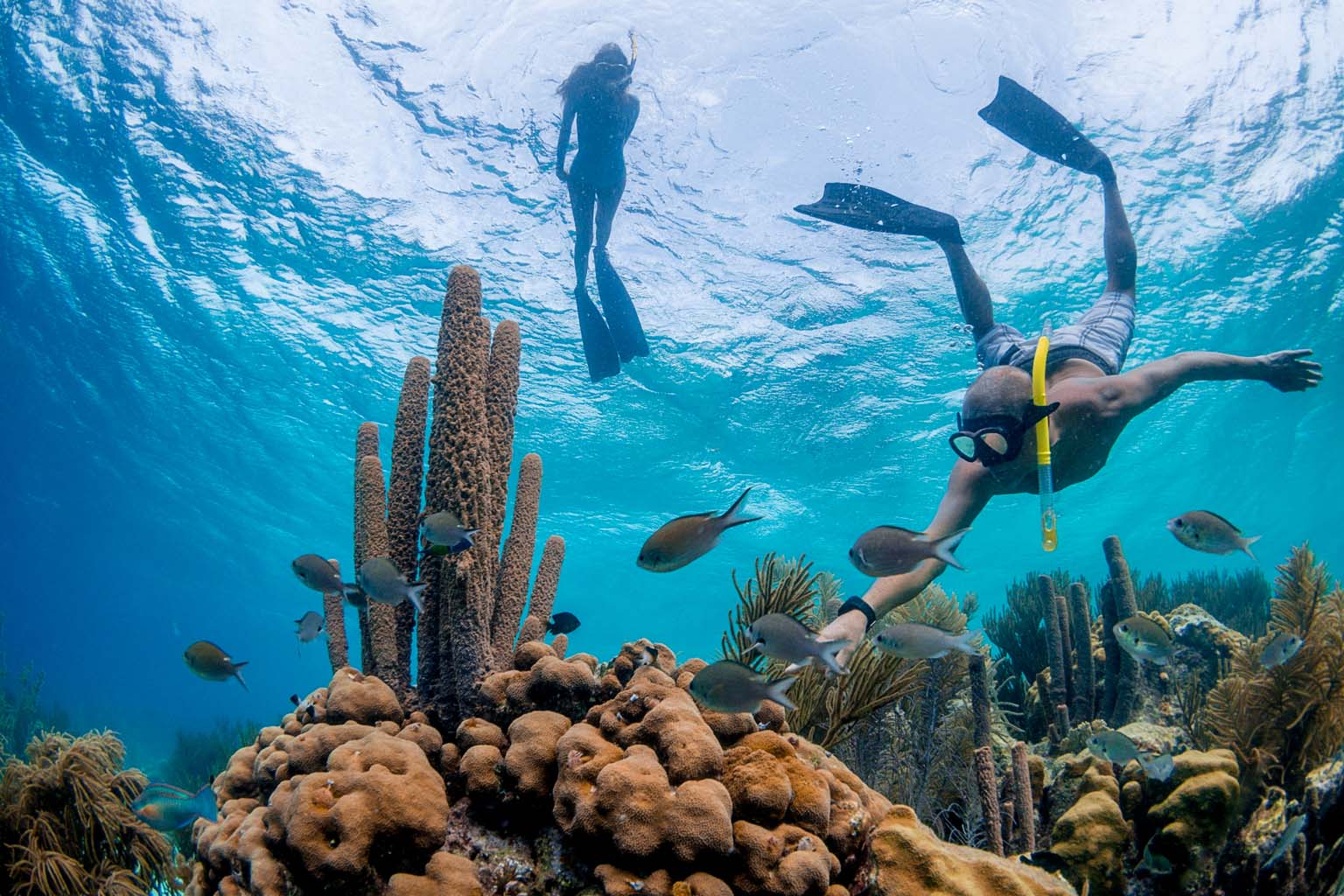
Bonaire operates under a shore-access model that inverts the usual resort calculus: the island's 86 marked dive and snorkel sites line public road edges, and most require no boat. Where to stay in Bonaire for snorkeling depends less on resort programming than on which numbered sites fall within your walking or driving range. The west coast from Kralendijk north to Karpata and south to Pink Beach holds the densest concentration of accessible reef, and nearly every lodging option on the island lies within three kilometers of this protected corridor. The terrain divides into three functional zones. Kralendijk itself offers budget and mid-range hotels with walking access to the central waterfront, the town pier, and sites like Calabas Reef and the reef fronting the old customs pier. North of town, the resort and villa belt stretches from Belnem to Karpata, where properties market house reefs and guests enter directly from shore or private jetties. South of Kralendijk, the road to Lac Bay passes Pink Beach, Punt Vierkant, and the slave huts, all public snorkel sites with roadside parking but limited lodging density. The northern zone holds the highest concentration of named properties, but the southern sites often deliver better coral health and fewer snorkelers per hectare. Bonaire National Marine Park surrounds the entire island, so any west-coast lodging grants legal access to protected reef. The practical difference lies in bottom time versus transit time. Properties advertising a house reef typically mean healthy coral begins 10 to 50 meters offshore in three to eight meters of water, accessible by ladder, beach ramp, or rock entry. Budget travelers stay in Kralendijk and drive to sites; intermediate snorkelers choose northern resorts with private entries; advanced users rent villas near specific numbered sites and build itineraries around current and visibility tables. Bonaire snorkel accommodations rarely include guides or programmed excursions—the assumption is that you will plan, navigate, and enter independently using the yellow stones that mark each site. The annual nature fee of 40 USD covers all marine access for the calendar year and is paid once upon arrival. Wind and swell remain low along the leeward shore from March through November, and most where to stay in Bonaire for snorkeling searches resolve to a tradeoff: central Kralendijk for services and budget, or beachfront property for immediate reef access and reduced driving.
“Bonaire's 86 marked shore sites mean lodging choice is less about resort amenities than proximity to the numbered reefs you plan to swim.”
The Best Time of Day to Snorkel and Where to Stay in Bonaire for Snorkeling
The best arrival window for snorkeling in the Bonaire National Marine Park is 08:00–10:00, when water conditions are at their calmest and visibility is optimal. Staying in accommodation near the coastline allows you to consistently access these conditions before the afternoon trade winds increase surface chop.
December to April
ModerateDrier, 26°C to 29°C
Peak tourism season brings reliable trade winds that favor morning entries.
May to June
LowWarm, 27°C to 30°C
This transition period offers calmer seas and ideal water temperatures for extended sessions.
July to November
LowHumid, 28°C to 31°C
These months see higher humidity and occasional rain, though morning visibility remains high.
Weekday mornings
Minimal—
Mid-week early starts provide the most consistent water clarity and least surface traffic.
Verdict: The most effective time to visit is during the weekday morning window of 08:00–10:00, particularly during the months of May, June, or October.
How to Reach Bonaire National Marine Park from Where to Stay in Bonaire for Snorkeling
Bonaire National Marine Park is located at Barcadera 10, Kralendijk. Reaching the park and accessing diverse shore snorkeling sites requires independent transportation, as public transit options are not available on the island.
Drive via Kaya International to Barcadera 10
Direct service to Barcadera 10
Access Hours for Where to Stay in Bonaire for Snorkeling
The Bonaire National Marine Park provides continuous access, allowing snorkelers to enter the water at any time. The park remains open daily throughout the year.
| Monday | 00:00–23:59 | |
|---|---|---|
| Tuesday | 00:00–23:59 | |
| Wednesday | 00:00–23:59 | |
| Thursday | 00:00–23:59 | |
| Friday | 00:00–23:59 | |
| Saturday | 00:00–23:59 | |
| Sunday | 00:00–23:59 |
Preparation Checklist for Where to Stay in Bonaire for Snorkeling
Key steps to secure your marine park access and prepare for shore-based drift snorkeling.
-
Purchase your annual nature tag online — The $40 marine park fee is required before entry and valid for the calendar year.
-
Confirm your accommodation has marked shore access — Not all coastal properties front designated snorkel sites—verify entry points with yellow stones.
-
Pack or rent a snorkel vest — Mandatory in the marine park for safety during drift snorkeling.
-
Check current direction at your chosen site — Bonaire's drift snorkeling depends on predictable north-to-south currents along the leeward coast.
-
Download an offline map of the 86 dive sites — Cell service can be limited; numbered yellow markers correspond to specific named sites.
-
Bring proof of your nature tag — Rangers patrol sites and may request your receipt or physical tag.
Check availability
Common Questions: Where to Stay in Bonaire for Snorkeling
Everything you need to know about where to stay in bonaire for snorkeling