

Quick answer
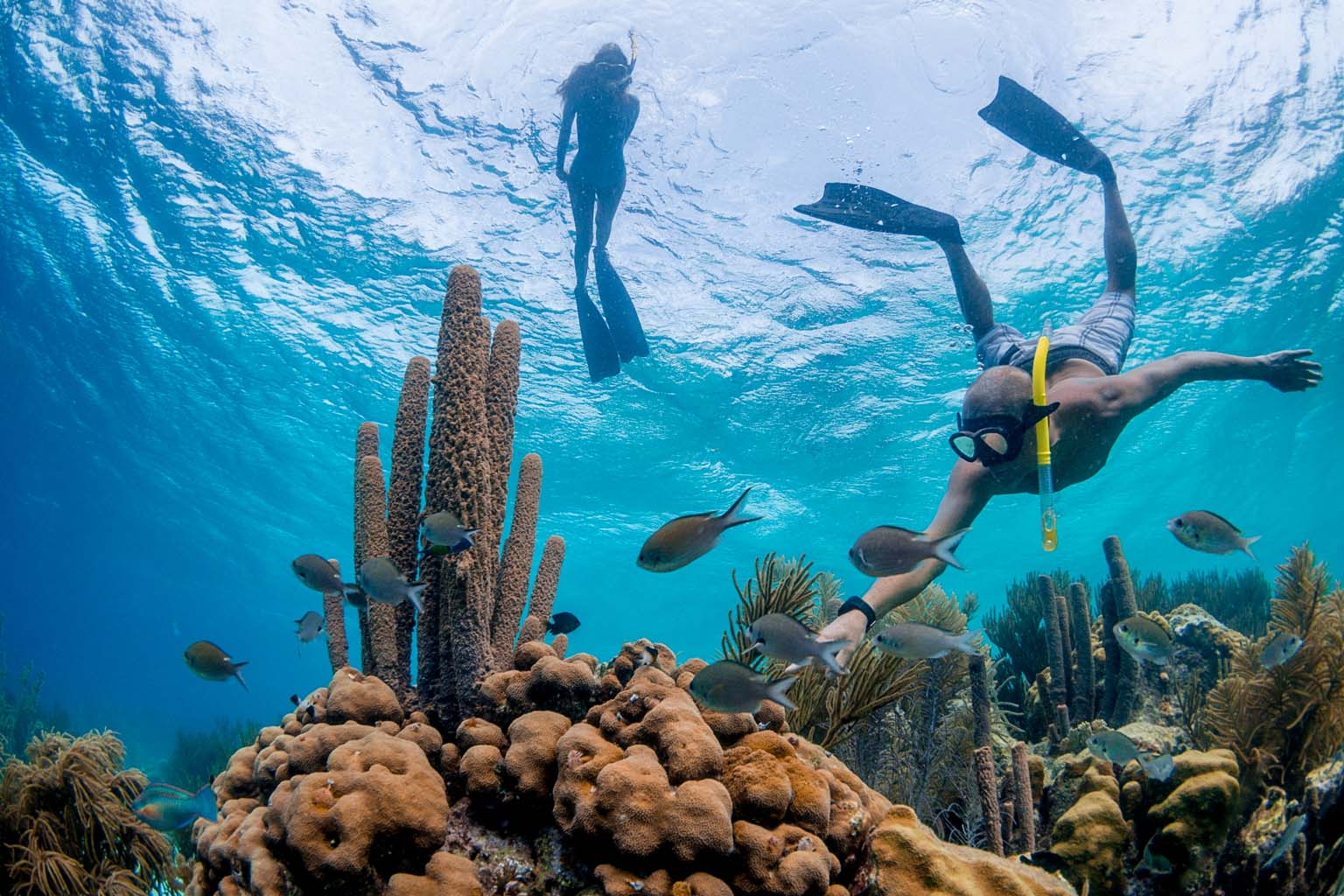
Bonaire snorkeling sites are accessed through 86 numbered shore entry points marked with yellow stones along the island's leeward coast, each corresponding to specific reef formations ranging from shallow elkhorn coral gardens to drop-offs exceeding 60 feet. The Marine Park requires a $40 annual nature fee for all water activities. Most sites feature double-reef systems with sand channels between the shore and outer wall, and optimal visibility occurs between 08:00–14:30 before afternoon trade winds strengthen surface chop.
The numbering system runs counterclockwise from the southern tip at Pink Beach through Kralendijk to the northern boundary at Playa Frans, with odd numbers on the descending route and even numbers returning south. Each painted marker corresponds to a specific reef profile documented in the Marine Park's site guides, though local knowledge reveals that adjacent unnumbered entries often provide calmer approaches when prevailing winds shift. The leeward western shore holds the densest concentration of accessible reefs, where the island's volcanic slope creates a consistent double-reef architecture. A shallow inner terrace extends 30 to 90 feet from shore before dropping to a sand channel at 15 to 25 feet, followed by the outer reef slope that descends beyond recreational snorkeling depth. This structure concentrates fish populations along the drop-off edge while providing protected shallow zones for less experienced swimmers. Northern sites from Bari Reef to Karpata experience stronger currents during incoming tides, requiring drift techniques rather than stationary exploration. Southern sites below Town Pier transition from hard coral dominants to mixed seagrass and coral rubble zones that host different species assemblages, including southern stingrays and juvenile fish nurseries. The eastern windward coast remains largely inaccessible for snorkeling due to constant Atlantic swells, with Washington-Slagbaai National Park's northern beaches offering occasional calm windows during summer months. Visibility averages 80 to 100 feet year-round, degrading only during rare storm events or the brief autumn plankton bloom that supports whale shark migrations. Current direction follows tidal cycles rather than wind patterns, with flood tides pushing north along the western shore and ebb tides reversing south. Morning sessions before 10:00 offer the calmest surface conditions and highest probability of encountering pelagic species moving between deep water and the reef. The Marine Park's mooring buoy system installed at 25 dive sites does not restrict snorkelers, who enter directly from shore rather than by boat.
“The double-reef architecture concentrates fish populations along the drop-off edge while providing protected shallow zones for less experienced swimmers.”
Optimal Timing for Bonaire Snorkeling Sites
The best arrival window is 08:00–14:30 to secure optimal visibility and morning light conditions. Starting your session early helps avoid the increased afternoon winds that can affect water surface conditions.
Weekday mornings
Low crowd density—
Morning light provides clearer visibility for coral observation.
Mid-day period
Moderate crowd density—
Winds typically remain manageable until mid-afternoon.
Peak season (Dec–Apr)
High crowd density26°C to 29°C
Popular months coincide with calmer sea conditions.
Off-peak (May–Nov)
Low crowd density27°C to 31°C
Warmer water temperatures favor longer snorkeling sessions.
Verdict: The optimal time to visit is during the morning arrival window of 08:00–14:30, ideally during the off-peak months of May or November.
Notable Bonaire Snorkeling Sites and Marine Zones
The Bonaire National Marine Park encompasses a diverse range of shore-accessible snorkeling sites characterized by healthy coral reefs and varied marine life. These locations offer distinct underwater topographies, from gradual sandy slopes to vertical drop-offs.
Salt Pier
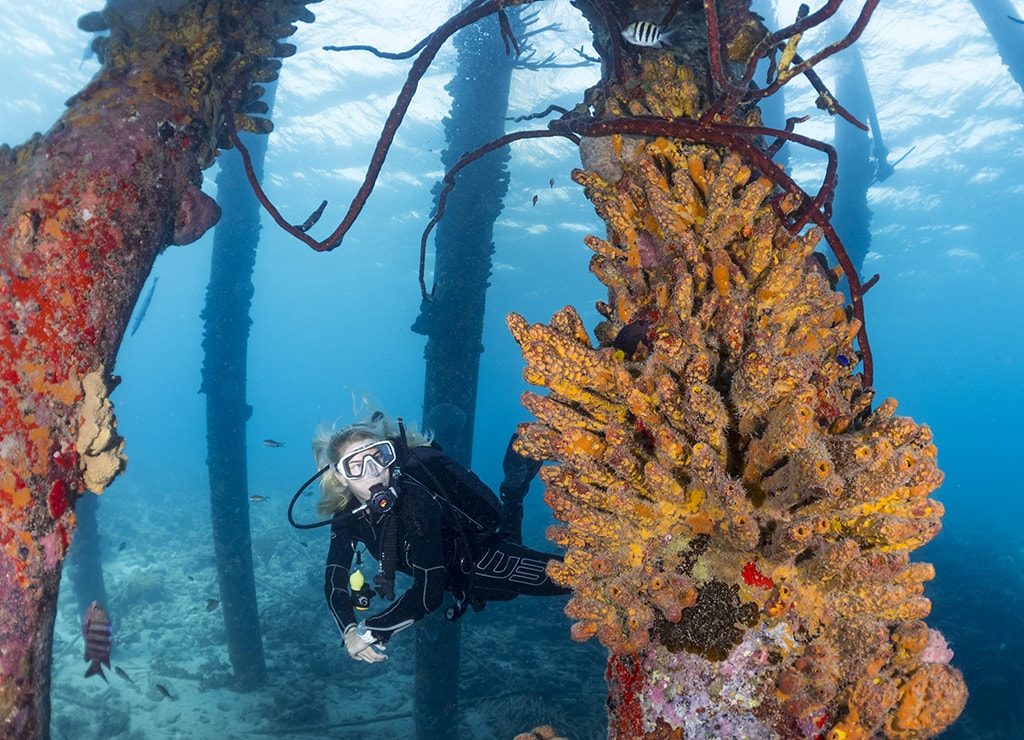
This site features concrete pilings covered in soft corals and sponges that attract schooling fish and sea turtles. Access is dependent on ship schedules.
Check for scheduled cruise ships before planning your visit.
Klein Bonaire
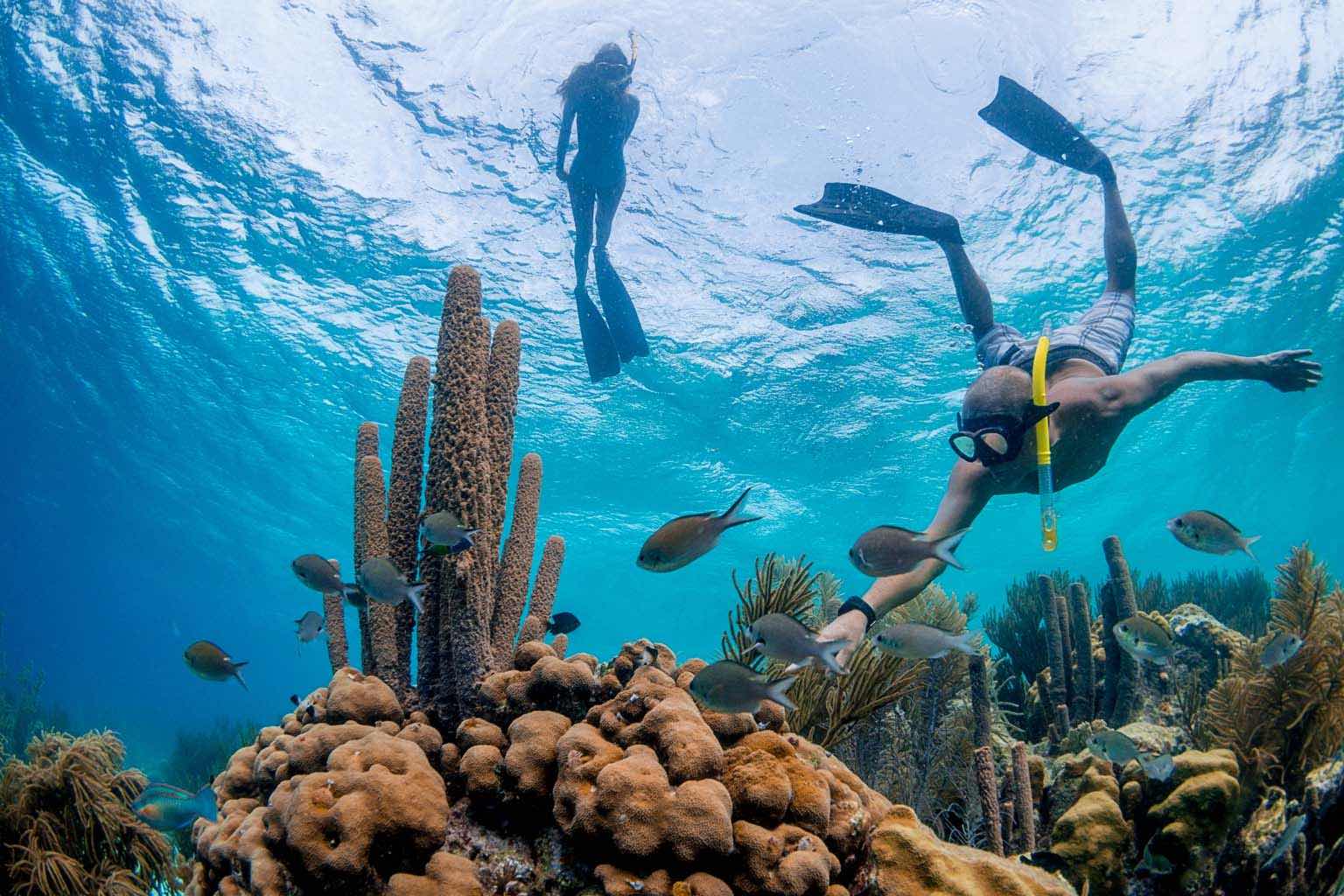
Located a short boat ride from the main island, this uninhabited islet offers pristine reefs and clear water. The expansive shallow shelf is ideal for observing reef fish.
Enter the water from the beach and drift with the current.
1000 Steps
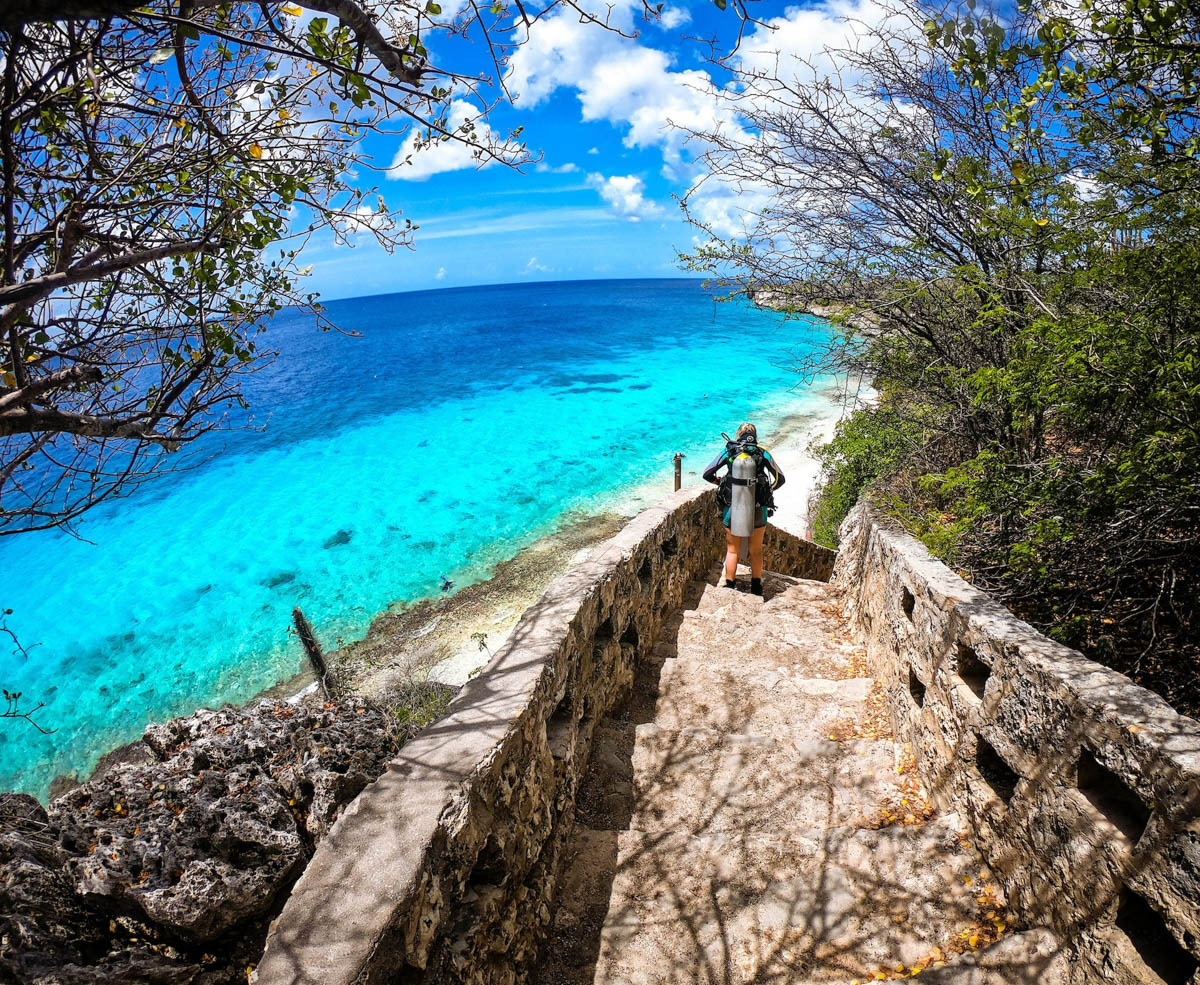
This site is known for its limestone cliff backdrop and coral formations that begin in very shallow water. The site supports high biodiversity including parrotfish and moray eels.
Enter via the stone staircase and look for sea turtles.
Andrea I and II
These sites offer calm, sheltered conditions with gentle slopes and healthy brain coral colonies. They are suited for those looking for relaxed observation of smaller marine life.
Focus on the shallow reef edge for macro photography.
Operating Hours at Bonaire Snorkeling Sites
Bonaire National Marine Park is open for snorkeling access at all times, providing visitors flexibility throughout the week.
| Monday | 00:00–23:59 | |
|---|---|---|
| Tuesday | 00:00–23:59 | |
| Wednesday | 00:00–23:59 | |
| Thursday | 00:00–23:59 | |
| Friday | 00:00–23:59 | |
| Saturday | 00:00–23:59 | |
| Sunday | 00:00–23:59 |
Conservation Rules for Bonaire Snorkeling Sites
Bonaire National Marine Park enforces strict no-touch regulations to protect coral reefs and marine life. Visitors must maintain proper buoyancy control and respect wildlife viewing distances at all times.
Do
- Maintain neutral buoyancy to avoid contact with coral
- Secure all gear before entering the water
- Stay at least three feet from all marine life
- Use reef-safe sunscreen without oxybenzone or octinoxate
- Report any coral damage or marine life injuries to park rangers
- Follow designated entry and exit points at each site
Don't
- Touch, stand on, or grab coral formations
- Chase, corner, or attempt to feed fish
- Wear gloves while snorkeling in the Marine Park
- Collect shells, coral fragments, or marine specimens
- Use chemical sunscreens that harm reef ecosystems
- Anchor boats within protected reef zones
Essential Prep for Bonaire Snorkeling Sites
Prepare gear and documentation before heading to any Bonaire National Marine Park snorkel site.
-
Purchase the annual nature fee online — Your receipt serves as proof of payment required for all Marine Park water activities.
-
Pack reef-safe sunscreen and rash guard — Chemical sunscreens damage the coral; physical barriers offer better protection.
-
Bring your own mask, snorkel, and fins — Rental options are limited at remote shore sites along the coast.
-
Pack a surface marker buoy or float — Increases visibility to boats in areas with passing dive traffic.
-
Arrive between 08:00 and 14:30 — Morning light and calm conditions provide optimal visibility before afternoon wind picks up.
-
Download offline maps of numbered sites — Cell service is sparse; GPS markers help locate the 60+ shore entry points.
-
Carry drinking water in your vehicle — No facilities exist at most sites; hydration matters in tropical heat.
Check availability
Frequently asked questions about bonaire snorkeling sites
Everything you need to know about bonaire snorkeling sites