

Quick answer
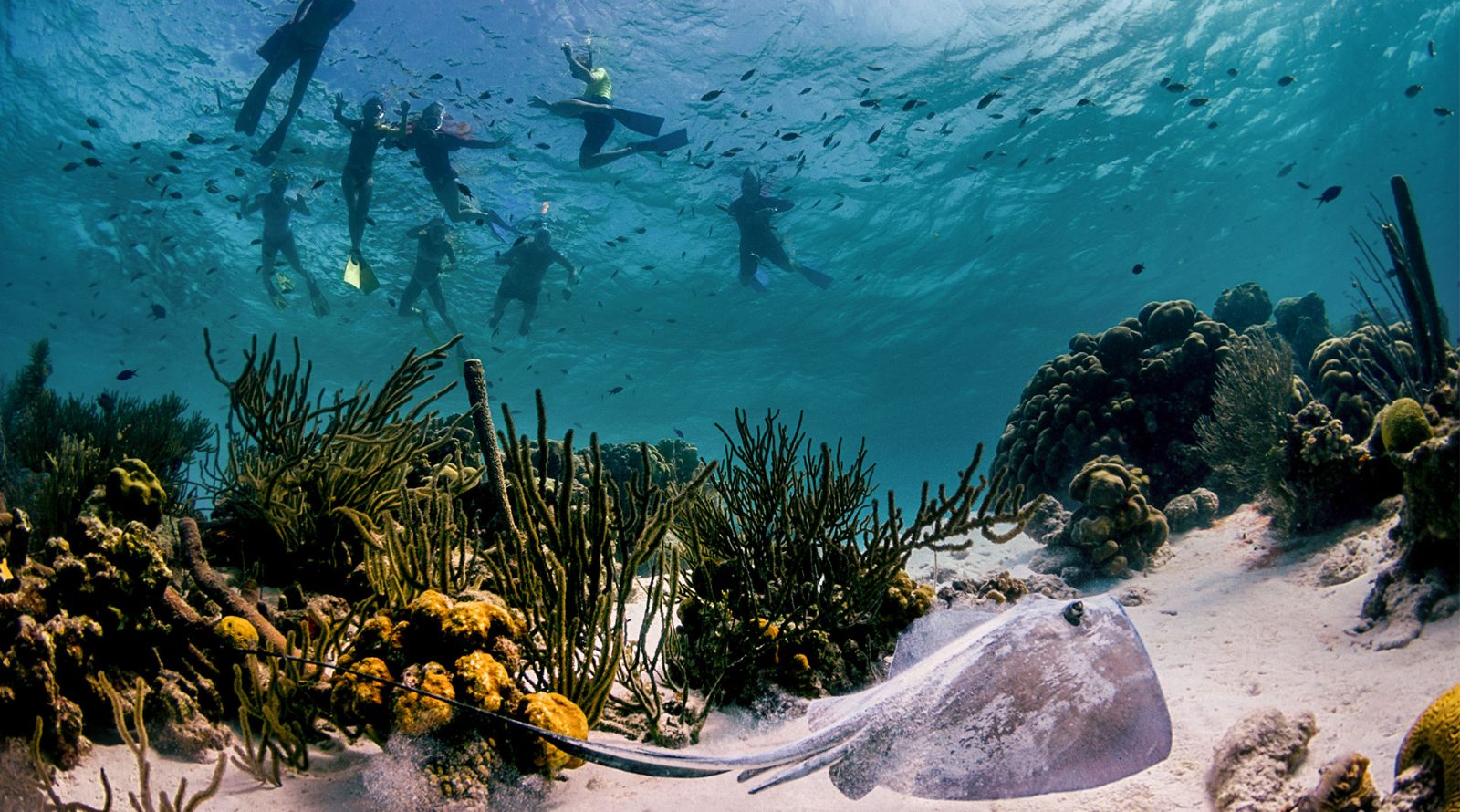
Yes, Bonaire remains exceptional for snorkeling in 2026. The island's protected status has preserved over 80 marked dive and snorkel sites with healthy coral coverage, abundant fish populations, and consistent 20- to 30-meter visibility year-round. Unlike many Caribbean reefs affected by bleaching and development, Bonaire's shores offer direct beach access to elkhorn forests, sea turtle feeding grounds, and dramatic drop-offs without boat transport.
The Bonaire National Marine Park spans the entire 27-kilometer western coastline plus Klein Bonaire, an uninhabited islet 800 meters offshore. Every site remains accessible from shore, eliminating the need for boat charters that dominate snorkeling elsewhere in the region. Yellow-painted rocks mark entry and exit points at 60 locations, with many featuring calm sandy entries suitable for swimmers of all levels. Reef health metrics from 2025 surveys show stable hard coral cover between 25 and 40 percent across monitored transects—figures that exceed regional averages by a significant margin. The park's enforcement of the no-anchor rule, mandatory mooring buoys for boats, and year-round dive-ranger patrols has prevented the anchor-drag damage common to other Caribbean sites. Parrotfish, snapper, and sergeant major populations remain dense, and hawksbill and green sea turtles appear at predictable feeding stations along the leeward shore. Trade winds blow consistently from the east, keeping the western coast flat and clear. Morning snorkelers regularly report 25-meter visibility between the 08:00 and 11:00 window, with conditions remaining favorable through mid-afternoon. The island's arid climate produces minimal runoff, so reefs avoid the sediment plumes that cloud visibility after rain on mountainous islands. Water temperature holds steady between 26 and 29 degrees Celsius year-round, requiring only a thin wetsuit or rashguard for thermal comfort during extended swims. The marine park's annual nature fee of 40 USD per person funds ranger staff, mooring maintenance, and reef monitoring. Visitors receive a waterproof site map and a tag valid for the calendar year across all marine zones. The fund model—structured as a conservation endowment rather than a per-entry ticket—ensures that revenue supports long-term ecosystem resilience rather than short-term tourism infrastructure. This governance structure distinguishes Bonaire from neighboring islands where reef access remains free but enforcement and restoration lag. Snorkeling Bonaire means navigating sharp ironshore entries, understanding current patterns at channel sites, and respecting the no-touch, no-feed rules enforced by rangers and dive operators. The island rewards preparation: visitors who study site maps, time entries to the tide, and carry reef-safe sunscreen experience the same pristine underwater terrain that established the park's reputation decades ago.
“The island's arid climate produces minimal runoff, so reefs avoid the sediment plumes that cloud visibility after rain on mountainous islands.”
When Is Bonaire Still Good for Snorkeling During the Day?
The best arrival window for snorkeling in Bonaire National Marine Park is 08:00–16:00, providing the optimal lighting and water conditions necessary for visibility. Visiting during these hours ensures you experience the marine life under the most favorable conditions.
April to June
Low to moderateDry, 29°C average
Ideal water clarity and lower winds benefit drift snorkeling.
September to October
LowWarm, 30°C average
Water remains calm with higher temperatures, perfect for longer sessions.
Weekday mornings
Minimal—
Arriving early provides access to quieter sites before cruise ship schedules impact coastal areas.
Verdict: The most favorable conditions occur between April and June or September and October, specifically targeting an arrival window of 08:00–16:00 on weekdays.
Is Bonaire Still Good for Snorkeling Access Hours?
The Bonaire National Marine Park waters remain accessible to visitors throughout the week. The marine environment maintains consistent 24-hour access for permitted activities.
| Monday | 00:00–23:59 | |
|---|---|---|
| Tuesday | 00:00–23:59 | |
| Wednesday | 00:00–23:59 | |
| Thursday | 00:00–23:59 | |
| Friday | 00:00–23:59 | |
| Saturday | 00:00–23:59 | |
| Sunday | 00:00–23:59 |
What Makes Bonaire Still Good for Snorkeling Sites?
Bonaire National Marine Park maintains its status as a premier snorkeling destination due to strict conservation efforts that protect its diverse reef systems. The park's accessibility and consistent underwater clarity allow snorkelers to observe complex marine ecosystems directly from the shoreline.
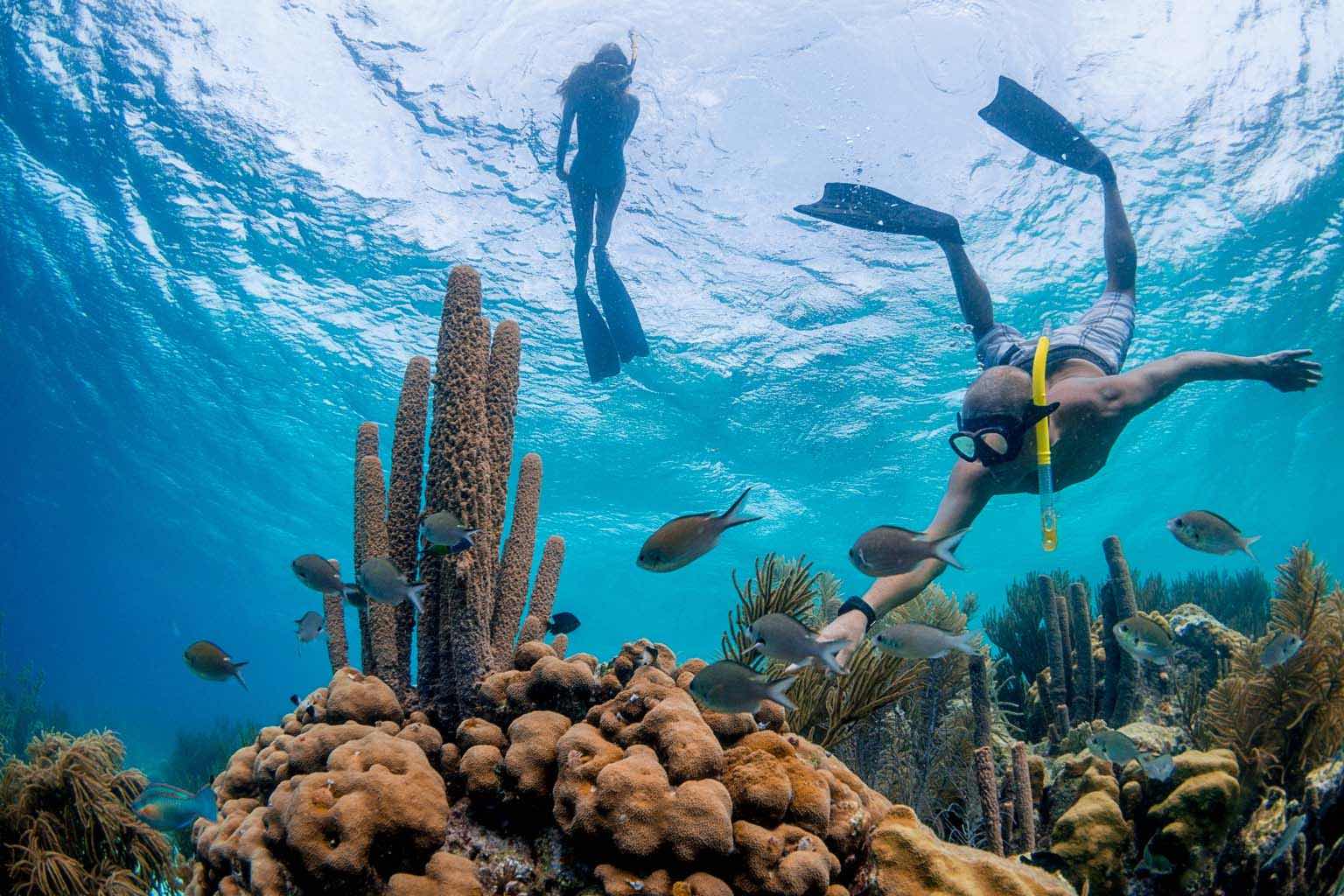
Klein Bonaire
A protected uninhabited island featuring expansive shallow reefs and high coral density.
Take a water taxi to reach the pristine northern reef sections.
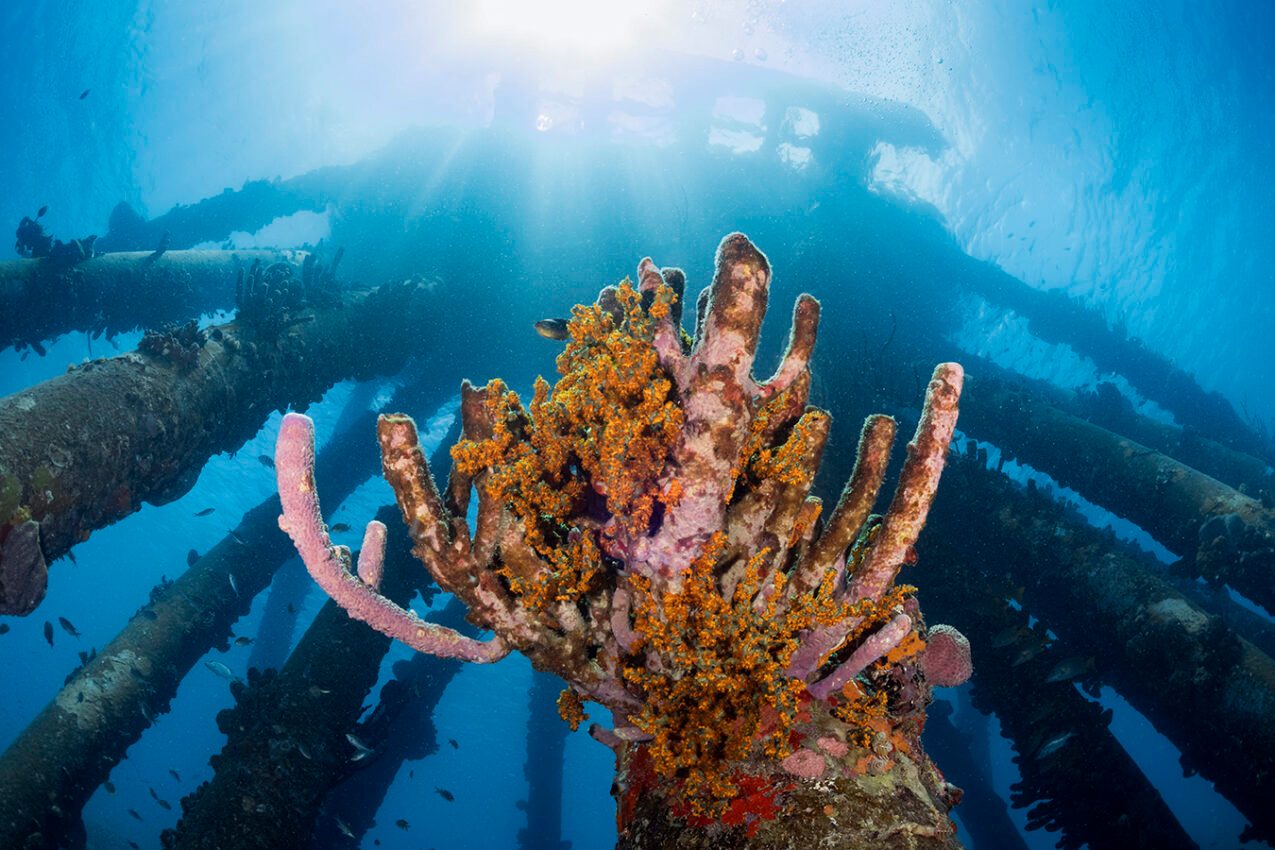
Salt Pier
A series of industrial pilings that have become artificial reefs covered in sponges and anemones.
Observe the base of the pilings for schools of juvenile fish.
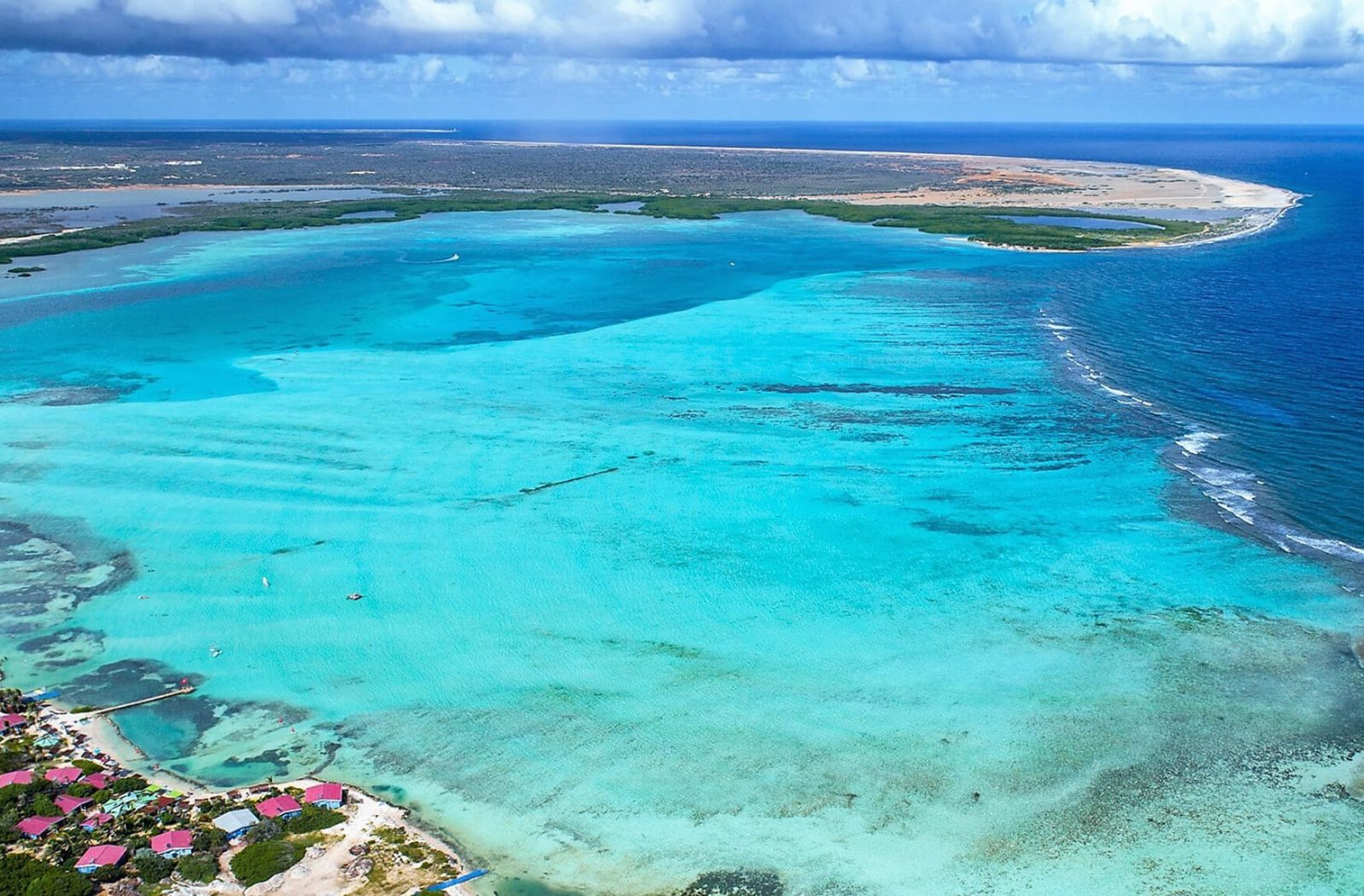
Lac Bay
A shallow, seagrass-dominated lagoon providing a nursery for rays, turtles, and conch.
Focus on the seagrass beds during high tide for turtle sightings.
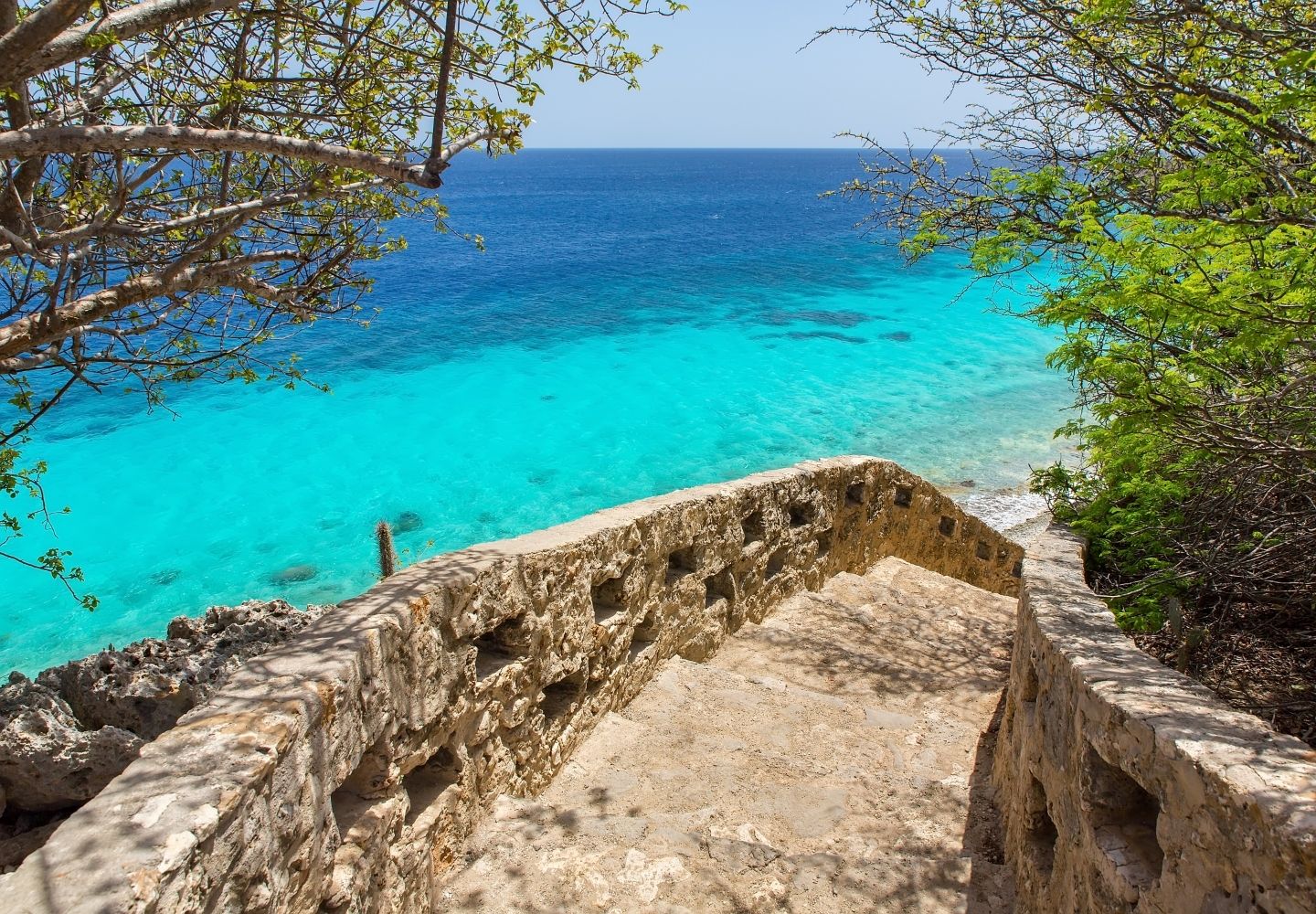
1000 Steps
A limestone-walled beach site known for its deep-blue water and frequently encountered sea turtles.
Enter from the north side of the beach for best access.
Preparing for Is Bonaire Still Good for Snorkeling Trips
A few straightforward steps ensure you're ready to explore the marine park's protected reefs.
-
Purchase your nature fee tag — The $40 annual pass is required for all water activities and supports reef conservation.
-
Review marine park rules — Bonaire prohibits touching coral, feeding fish, and anchoring in protected zones to preserve the ecosystem.
-
Arrange snorkel gear rental — Most dive shops near the park offer mask, fins, and snorkel sets if you're traveling without your own.
-
Check tide and weather forecasts — Calm seas and incoming tides improve visibility and make shore entries safer.
-
Plan your entry point — Over 80 marked sites ring the island; southern spots like Pink Beach offer easier access for beginners.
-
Arrive during optimal light — Morning through mid-afternoon provides the clearest water and best conditions for spotting marine life.
-
Bring reef-safe sunscreen — Chemical sunscreens damage coral; mineral-based formulas protect both you and the reef.
Check availability
Common questions: Is Bonaire still good for snorkeling?
Everything you need to know about is bonaire still good for snorkeling